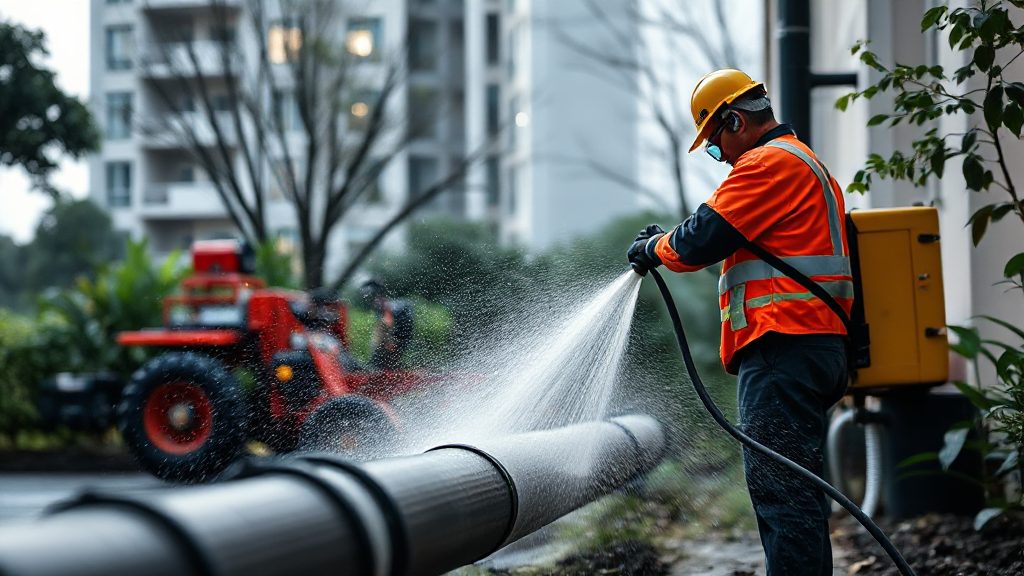
7 Steps I Follow When Hiring a Desentupidora Horto Florestal
Something changed in the Horto Florestal neighborhood over the last couple of years: more condominiums, more restaurants, and older clay and cast-iron drain lines carrying heavier loads. As a building manager who has coordinated dozens of emergency calls, I now treat drain maintenance as a routine, not a reaction. The search intent behind “desentupidora Horto Florestal” is simple — you want a local, reliable team that can clear a blockage without turning it into a demolition project. Below is the exact seven-step routine I use before and during a call to a desentupidora Horto Florestal.
1. Diagnose the Blockage Before Anyone Arrives
Before I dial, I spend five minutes identifying which fixture is backing up and whether the problem is isolated or building-wide. A single slow shower drain usually points to hair and soap scum in the branch line; multiple fixtures gurgling at once suggests the main stack or the street connection. Writing this down saves the technician time and prevents the classic mistake of plunging the wrong drain.
I also note the water color and smell. Clear water backing up from a floor drain often means a partial blockage downstream, while dark, foul water rising in a sink means the main sewer line is involved. This detail tells the dispatcher whether to send a basic drain snake or a hydro-jetting truck.
2. Verify Local Coverage and Response Time
Horto Florestal sits in the northern part of São Paulo, and not every company that advertises citywide actually has a team nearby. When I contact a desentupidora Horto Florestal São Paulo SP, I ask two direct questions: where is the nearest base, and what is the realistic arrival window at this hour? A company that answers with a specific street or neighborhood gives me more confidence than one that says “we cover all of SP.”
Response time matters most at night or on weekends, when a backed-up drain can flood a ground-floor unit. I confirm whether the quoted time includes traffic and whether the team carries the equipment needed for a main-line blockage on the first visit.
3. Ask About Equipment and Method
Not every blockage should be treated the same way. A technician who arrives with only a manual auger will struggle with roots or hardened grease. I expect a professional team to explain the difference between mechanical snaking, hydro-jetting, and suction-based clearing before they start.
Mechanical snaking
Best for soft blockages close to the fixture, such as hair, paper, or food residue. It is fast and low-cost but can miss grease buildup on pipe walls.
Hydro-jetting
Uses high-pressure water to scour the full pipe diameter. This is the method I insist on for restaurant grease lines and older buildings with scale buildup. It requires access points and a truck with a water tank, so confirm availability when booking.
Suction and inspection
For septic tanks and heavy solids, a vacuum truck removes waste before any jetting. A camera inspection afterward shows whether the pipe is intact or cracked — useful before signing off on the job.
4. Confirm Licensing, Insurance, and Waste Disposal
This is the step most first-timers skip. A legitimate desentupidora carries a municipal license and a waste-transport permit for the material removed from septic tanks and grease traps. I ask for the company’s CNPJ and whether they issue a disposal manifest. Without it, the building can be fined if waste is dumped illegally.
Insurance is equally important. If a technician cracks a pipe or damages a floor drain during clearing, you want the company’s liability coverage to handle it, not your condominium’s maintenance fund. I keep a scanned copy of the policy on file for every vendor we use.
5. Get a Written Scope and Price Before Work Starts
A phone quote is not a scope. Before anyone touches a drain, I ask for a written description of what will be done, which access points will be opened, and what the price includes. For a desentupidora em Horto Florestal São Paulo SP, the quote should separate labor, equipment, and any parts like new drain covers or seals.
I also ask what happens if the blockage is deeper than expected. A fair company will state a per-meter rate for additional line or a fixed diagnostic fee that converts into the final price. That prevents the awkward conversation when the technician is already on-site with a machine running.
6. Supervise the Service and Document the Result
I stay present for the first fifteen minutes, mainly to confirm the technician has identified the correct access point and is not opening a wall unnecessarily. After clearing, I ask for a short video or photo of the water draining freely. This documentation is useful for the building’s maintenance log and for any warranty claim later.
If the team used hydro-jetting, I ask them to show the pressure setting and the nozzle type. High pressure on fragile PVC can cause damage, so a professional will adjust based on pipe material and age.
7. Schedule Preventive Maintenance and Keep a Checklist
One cleared drain is not a fix; it is a data point. I now schedule a preventive visit every six months for grease-heavy lines and annually for residential stacks. The cost is far lower than an emergency call at 2 a.m., and it keeps small roots from becoming a collapsed pipe.
Here is the closing checklist I keep on my phone before any desentupidora arrives:
- Fixture(s) affected and water color noted
- Nearest base and confirmed arrival window
- Method discussed: snake, jet, or suction
- License and waste manifest requested
- Written scope and price received
- Access points agreed and protected
- Post-service video or photo saved
- Next preventive visit scheduled
Following these steps has cut our emergency calls by more than half and made every vendor conversation shorter. If you are doing this for the first time, start with step one and do not skip the paperwork — the drain will clear either way, but the difference shows up months later.